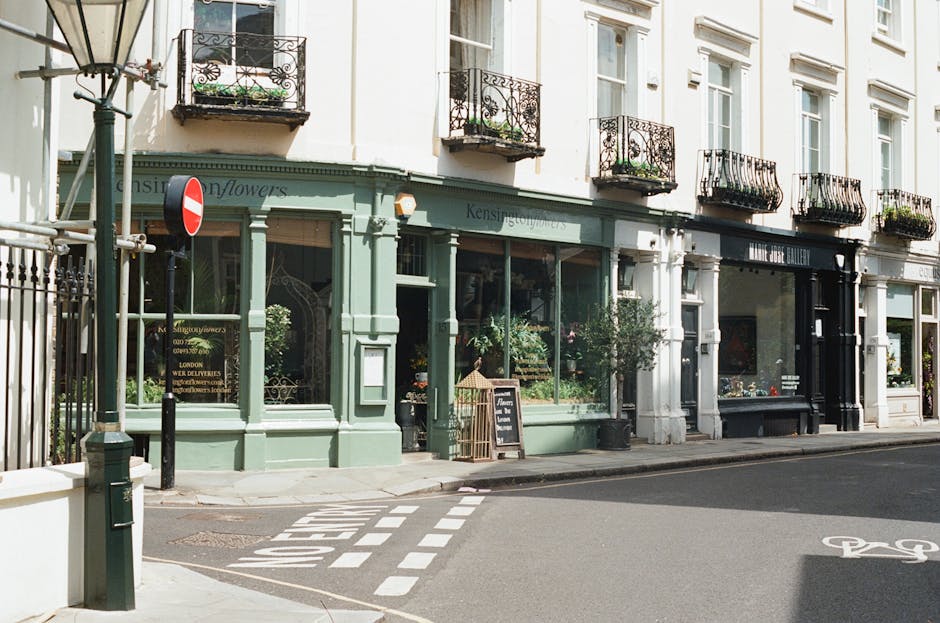
Commercial gardeners for Wanstead shops and office fronts

First impressions happen fast. A tidy shopfront, a neat office entrance, and planting that looks cared for can quietly do a lot of heavy lifting before anyone even steps inside. That is the real value of Commercial gardeners for Wanstead shops and office fronts: they keep the outside of a business looking open, welcoming, and professionally maintained, week after week. In a busy area like Wanstead, where customers and staff are constantly passing by, small details become surprisingly important. A few overgrown shrubs, a weeded paving edge, or a tired planter can change the feel of a frontage almost overnight.
This guide breaks down what commercial front-of-house garden care actually involves, how it works, what to expect, and how to choose the right level of service. We will also look at practical maintenance routines, common mistakes, compliance considerations, and the sort of details that help a business look cared for without becoming a gardening project in disguise.
Why Commercial gardeners for Wanstead shops and office fronts Matters
Street-facing planting is not just decoration. For a shop, cafe, clinic, salon, or office entrance, the outside space becomes part of the customer experience. It tells people whether the business is organised, whether someone is paying attention, and whether the place feels pleasant to approach. That sounds soft, but in practice it matters a great deal.
Wanstead has a mix of local businesses, professional offices, and independent premises where presentation really counts. A front garden or planted threshold can soften hard paving, hide unavoidable functional items, and make a narrow frontage feel more generous. It can also help with practical issues such as glare, dust, footfall wear, and seasonal clutter. To be fair, even a very small frontage can look impressive if it is kept sharp.
Commercial gardeners are usually asked to solve a few problems at once: keep everything tidy, make the frontage look intentional, and reduce the amount of day-to-day care needed from the business owner. That is the sweet spot. You want greenery that earns its keep, not plants that demand constant rescue. If the planting is selected well, and the routine maintenance is steady, the whole front of the property starts working like a quiet brand asset.
There is also the trust factor. A clean, balanced frontage can make a business feel more credible before the customer has even opened the door. That first glance matters whether someone is visiting for five minutes or sitting in an office reception all day. And yes, people do notice when a hedge has gone shaggy or a planter is full of weeds. More often than they admit.
How Commercial gardeners for Wanstead shops and office fronts Works
Most commercial front-of-house gardening starts with a site visit or a short assessment. The gardener looks at the front area as a functioning business space, not just a garden. That means checking light levels, access, drainage, pedestrian movement, signage visibility, and the amount of time the site can realistically spare for upkeep. A good setup has to suit the rhythm of the business.
From there, the work usually falls into a blend of routine maintenance and occasional improvement work. Routine tasks may include hedge trimming, pruning, weeding, lawn care, planting refreshes, seasonal tidy-ups, and keeping paths clear. For harder surfaces and exposed entrances, services like patio cleaning can make a front area look instantly brighter, while lawn mowing and lawn care help maintain any turf that forms part of the display.
Occasionally, a frontage needs a more structural refresh. That might involve improved layout, new planting beds, or better screening around service areas. In those cases, landscaping support in Wanstead can reshape how the business presents itself from the street. If the site has boundaries or privacy issues, fencing work may be part of the picture as well.
A proper commercial gardener will also plan around the real world. Deliveries happen. Customers stand in doorways. Office staff need access. Bins have to go somewhere. Someone may need to work quietly before opening hours, or after the last customer has left. The best maintenance schedules are built around that, not against it.
One point that gets overlooked: commercial gardening is as much about consistency as it is about flair. A planted frontage that looks great for two weeks and then slips into chaos is not a win. Ongoing care is what keeps the whole thing believable.
Key Benefits and Practical Advantages
There are a few obvious benefits, but the practical ones are often the most persuasive once a business sees them in action.
- Better first impressions: a neat exterior makes the whole business look more organised and approachable.
- Less stress for staff: nobody in an office wants to become the accidental planter whisperer on Friday afternoon.
- More usable frontage: careful planting can guide foot traffic, soften hard edges, and make entrances feel calmer.
- Seasonal freshness: frontages can be adjusted through the year, so they do not feel flat in winter or overgrown in summer.
- Reduced trip and obstruction risks: trimming, clearing, and managing plant spread helps keep walkways open.
- Brand consistency: a maintained exterior supports the look and tone of the business inside.
There is a quieter benefit too: people tend to treat tidy spaces more carefully. That is not magic, just human behaviour. A well-kept entrance can discourage casual littering and make the whole frontage feel more respected. In a shared or high-footfall location, that matters.
For businesses with some greenery already in place, the right maintenance can also protect earlier investment. A hedge that is trimmed at the right time, or beds that are kept weed-free, tends to hold its shape far longer than one left to fend for itself. If you need a smarter approach to plant structure and enclosure, services like hedge trimming can make a huge difference.
And if your frontage includes larger trees, even in a modest way, timely inspection and pruning from tree surgery specialists can help manage light, growth, and safety without making the site feel overworked.
Who This Is For and When It Makes Sense
Commercial front-garden care is useful for far more than just large premises. In fact, some of the best results happen on smaller sites where every square metre is visible. If people see the exterior before they see anything else, the outside space has to pull its weight.
This is a strong fit for:
- independent shops with planted borders, pots, or small verge spaces
- cafes and restaurants that want a welcoming entrance
- salons, clinics, and wellness practices that benefit from calm, orderly presentation
- office buildings with reception planting or street-facing beds
- mixed-use properties where first-floor offices sit above retail units
- landlords and managing agents responsible for maintaining a professional exterior
It makes sense when the frontage is either highly visible, hard to maintain in-house, or prone to looking tired between one-off tidy-ups. It also makes sense if the business is about to launch, rebrand, or reopen after a renovation. A new sign and a tired border do not always get along. In fairness, they can work against each other.
If the site already has an outdoor seating area, planters, or hard landscaping, the service may also overlap with decking services or general gardening services. That overlap is useful because frontages often need a bit of everything, not one isolated task.
It can also make sense to pair garden care with ongoing garden maintenance if the site includes rear access, side spaces, or overflow planting that supports the front-facing display. The front often looks best when the whole site is managed as one tidy system.
Step-by-Step Guidance
Here is a practical way to approach the job, whether you are a business owner, property manager, or office administrator trying to get a handle on the place.
- Walk the frontage like a customer would. Start at the pavement and look for distractions, blocked sightlines, messy edges, dead plants, mossy patches, and anything that feels oddly neglected.
- Identify the "must-stay-clear" areas. That usually includes doorways, sign visibility, bin access, and walk routes. These are not optional zones.
- Decide what should stay, go, or be replaced. Some plants can be revived with pruning; others are simply taking up space. Truth be told, not every shrub deserves a second chance.
- Choose the maintenance level. A high-footfall retail frontage usually needs more frequent attention than a quiet office entrance.
- Set a seasonal plan. Spring growth, summer watering, autumn leaf drop, and winter weather all demand different routines.
- Build in cleaning as well as gardening. A good frontage is not only planted well, it is free from grime, algae, and debris.
- Review after a month. Frontages often reveal weaknesses only after a few weeks of use. Adjusting early saves hassle later.
A useful way to think about it is this: the front of a business should never look like a one-off project. It should look lived-in, yes, but consistently managed. That balance is what makes the place feel credible.
If the design phase is still open, you may want to think about low-maintenance planting and visual structure at the same time. Simple planting schemes can be very effective, especially when you need something attractive that does not swallow staff time. Some business owners find a lightweight design approach easier to sustain than a heavily planted one. If that sounds familiar, simple and affordable garden design ideas can help frame the thinking.
Expert Tips for Better Results
The best commercial frontages usually share the same characteristics: they are easy to maintain, seasonally resilient, and visually calm. Here are the habits that help most.
- Use repetition in planting. Repeated shapes and a limited plant palette often look smarter than a crowded mix of random colours.
- Choose plants that can take a bit of life. Shops and offices get brushed past, splashed, and occasionally ignored. Delicate planting can become expensive quickly.
- Keep lower growth disciplined. At doorway height and below, mess becomes obvious very fast.
- Plan for winter, not just summer. A frontage that shines in June but collapses in January is only doing half the job.
- Work with the architecture. Vertical lines suit tall windows. Softer forms work nicely with narrow shopfronts. The planting should support the building, not argue with it.
- Use containers where ground space is limited. Container schemes can deliver a polished look without major construction, and they are useful when access is tight. There is a nice practical angle to container gardening for compact spaces that works especially well for front entrances.
One more thing: if your frontage is exposed to wind, invest in structure rather than trying to fight the weather every month. Wind-resistant planting, sheltered positioning, and firm support features make life easier. A garden front is not a place for fragile optimism.
For more layered screens or to soften an ugly view nearby, consider planning with height in mind. vertical planting ideas can be surprisingly useful in city and suburban business settings where floor space is limited.
Common Mistakes to Avoid
There are a few recurring mistakes that show up again and again on commercial fronts. Avoiding them saves time, money, and awkward apologies to customers.
- Overplanting: too many species, too many textures, too much visual noise.
- Ignoring access needs: if staff or deliveries have to squeeze past a display, the design is working against the business.
- Choosing high-maintenance plants for a low-attention site: the results rarely stay neat.
- Leaving hedges and climbers unchecked: this quickly turns "green and tidy" into "busy and a bit forgotten".
- Letting paving and hard edges go slippery or stained: the front of the property can look tired even if the planting is fine.
- Skipping the winter plan: a summer-only mindset leads to dull, damaged, or patchy winter presentation.
A less obvious mistake is treating the frontage as separate from the rest of the site. If the rear service area is cluttered and the side access is full of weeds, the whole property often feels less polished. People may not be able to name why, but they feel it. It is one of those annoying little truths.
Another frequent issue: people choose planting based on looks alone and forget how the business actually operates. A plant that looks lovely in a nursery can become awkward when it blocks a window, attracts constant litter, or drops debris across the entrance every week.
Tools, Resources and Recommendations
A strong commercial garden routine does not need an enormous toolkit, but it does need the right basics. For most shop and office fronts, the essentials are about control, consistency, and cleanliness.
- Pruning tools and hedge trimmers: for keeping visible growth crisp and contained.
- Weed control equipment: for hard edges, joints, and beds where weed pressure builds fast.
- Leaf and debris removal tools: especially useful in autumn when entrances can go messy quickly.
- Watering gear or irrigation support: important for containers and newly planted schemes.
- Pressure washing or professional cleaning support: useful for paths, thresholds, and greasy or algae-prone areas.
For teams looking after a frontage in-house, a simple weekly inspection helps more than people think. It takes only a few minutes to spot deadheads, litter build-up, broken stems, blocked drainage, or an edge that is starting to creep out of line. That quick habit can stop small issues becoming visible problems.
It can also help to build a planting palette around durable, locally suitable options. Ground cover can reduce bare soil and soften borders; hardy climbers can improve blank walls; and well-chosen evergreens can keep the frontage from looking empty in winter. For ideas on lower layers, ground cover planting ideas and evergreen climbers for shade are useful starting points.
For teams buying or briefing their gardener, it helps to keep a small brief that covers access times, preferred finish level, watering responsibility, and any sensitive windows or signage. That one page can save a lot of back-and-forth later. Honestly, a tidy brief is worth its weight in coffee.
Law, Compliance, Standards, or Best Practice
Commercial gardening for business fronts is not usually complicated from a legal point of view, but there are sensible standards and duties to keep in mind. The main concern is making sure the frontage remains safe, accessible, and does not create avoidable hazards for staff, visitors, or passers-by.
In practical terms, that means keeping pathways clear, managing overgrowth, preventing slipping hazards where possible, and not obstructing visibility or emergency access. If work is taking place during business hours, it should be organised so the public is not exposed to unnecessary risk from tools, debris, or temporary blockages.
For trees and larger woody growth, a qualified approach matters. Cutting or reshaping without care can create instability, damage the plant, or leave the property exposed. The same goes for boundary planting and screening: it needs to be managed with both appearance and safety in mind.
Best practice usually includes:
- clear scheduling around opening hours and deliveries
- safe storage and handling of tools and waste
- regular checks for trip hazards, loose paving, and slippery surfaces
- pruning that respects plant health rather than simply reducing size
- communication with the business about access restrictions and seasonal priorities
Where there are shared entrances, lease responsibilities, or property management arrangements, the exact division of duties should be checked locally. That part can be a bit dull, but it matters. Better to clarify it early than have two people assuming the other one was meant to sort the ivy.
Options, Methods, or Comparison Table
Different business frontages need different levels of intervention. Some only need regular tidy-ups. Others benefit from a proper redesign. Here is a simple comparison to help with decision-making.
| Approach | Best for | Typical strengths | Watch-outs |
|---|---|---|---|
| Routine maintenance only | Frontages already in decent shape | Predictable, cost-conscious, keeps things neat | Won't solve structural design problems |
| Maintenance plus planting refresh | Sites that look tired or uneven | Improves colour, shape, and seasonality | Needs a clear plan to avoid clutter |
| Landscaping-led overhaul | Frontages with awkward layout or poor visual impact | Creates a more polished and functional entrance | More planning, more disruption, higher commitment |
| Container-led frontage | Small shops, rented properties, tight pavements | Flexible, tidy, easy to reposition | Containers need watering and seasonal attention |
There is no single right answer here. A small office may be perfectly served by strong maintenance and a few well-chosen containers, while a retail frontage with poor structure may need more significant landscaping support. The smartest option is usually the one that fits the business routine, not just the budget on paper.
Case Study or Real-World Example
Imagine a Wanstead office front with a narrow paved entrance, two tired planters, and a hedge that has crept a little too far into the path. The building itself is fine, but the approach feels fussy and slightly neglected. Staff notice it. Clients notice it. Nobody says much, but they see it.
A practical commercial gardening visit might start with a clear-out: remove dead planting, cut back overgrowth, clean the hard surface, and reset the planters so they frame the entrance rather than crowd it. The hedge gets a proper trim, the paving edge is cleared, and the planting is replaced with something more durable and seasonally reliable. If the entrance has awkward sun or shade, the plant choices are adjusted to match the reality of the site.
Then the schedule is set. A quick touch-up every couple of weeks during the growing season, slower maintenance through winter, and occasional cleaning for the hard surfaces. Nothing dramatic. Just steady control. After a month or two, the front becomes easier to ignore in the best possible way: it stops causing little visual friction and starts doing its job quietly.
That is often the goal with commercial frontage gardening. Not flash. Not fuss. Just a front that looks steady, cared for, and ready for business.
For sites with added privacy needs or exposed boundaries, it may also help to look at screening plants or shaped hedging. fast-growing hedge ideas for privacy can be useful where the frontage needs a softer barrier without feeling closed off.
Practical Checklist
Use this checklist before you book work or review an existing maintenance plan.
- Is the entrance clearly visible from the street?
- Are paths, doors, and signage free from plant obstruction?
- Do the plants suit the amount of sun, shade, and wind on the site?
- Are weeds under control in beds, cracks, and edging?
- Does the frontage still look tidy in winter, not just summer?
- Are there any slippery hard surfaces that need cleaning?
- Is watering responsibility clearly assigned?
- Are pruning and trimming planned often enough to stay ahead of growth?
- Do any trees or larger shrubs need professional attention?
- Does the outside space reflect the tone of the business inside?
If you can tick most of those off, you are in good shape. If not, that is fine too. Most frontages improve quickly once there is a proper system in place.
Get a free quote today and see how much you can save.
Conclusion
Commercial frontage gardening is one of those services that looks simple from the outside and becomes very important once you live with it every day. For Wanstead shops and office fronts, the right approach keeps the outside looking calm, smart, and business-ready without making life complicated for staff or property managers. That is the real win.
Whether you need regular trimming, better planting, a more polished entrance, or a full tidy-up plan, the best results come from consistency and a good eye for what the frontage actually needs. Not every space needs a dramatic redesign. Sometimes it just needs attention, rhythm, and a bit of common sense.
When a front area feels cared for, people notice. They may not put it into words, but they feel the difference as they walk up. And that, in the end, is what good commercial gardening is for.
Frequently Asked Questions
What do commercial gardeners do for shop fronts and office entrances?
They handle the exterior planting and maintenance that keep a business frontage neat, safe, and welcoming. That can include pruning, hedge trimming, weeding, lawn care, planting refreshes, container upkeep, and hard-surface cleaning where needed.
How often should a business frontage be maintained?
It depends on the site, but many frontages benefit from regular attention during the growing season and lighter checks in quieter months. High-visibility entrances usually need more frequent care than low-traffic office edges.
Is commercial garden maintenance worth it for a small shop?
Yes, often more than people expect. Small frontages are very visible, so a tidy entrance can make a big difference to how the business feels from the street. Even a few planters or a narrow border can improve the look when they are managed well.
What if the frontage has very little space?
Container planting, compact shrubs, and vertical planting can work extremely well in tight spaces. The trick is not to cram in too much. A clean, simple layout usually looks better than a crowded one.
Can gardeners help with both planting and hard-surface cleaning?
Yes, and that combination is often useful. A frontage can look messy simply because the paving is stained or slippery. Pairing planting care with patio cleaning can make a big visual difference.
Do office fronts need different planting from shop fronts?
Usually, yes. Office entrances often favour calm, structured planting that looks professional and low-fuss, while shops may want something slightly more eye-catching. The best choice depends on brand tone, foot traffic, and how much upkeep the site can handle.
What are the most common problems with commercial frontages?
The usual issues are overgrowth, weeds, poor seasonal planning, neglected hard surfaces, and planting that looks attractive in theory but is awkward in daily use. Access problems and blocked sightlines also come up often.
Do I need landscaping or just maintenance?
If the frontage already works structurally, maintenance may be enough. If the layout feels awkward, dated, or hard to manage, then landscaping is probably the better route. A quick site review usually makes that clearer.
Can commercial gardeners work around opening hours?
In many cases, yes. Good scheduling is part of the service. Early morning, later evening, or quieter midweek windows are often easier for businesses that cannot have disruption during customer hours.
How do I keep a frontage looking good in winter?
Choose hardy planting, keep hedges and edges trimmed, remove debris regularly, and avoid relying too heavily on summer-only colour. Winter interest matters more than many people realise, especially when the rest of the street feels grey and wet.
What should I ask before hiring a commercial gardener?
Ask how they would maintain the site through the seasons, what they would prioritise first, how often they recommend visits, and whether they can deal with both soft landscaping and supporting tasks like trimming or cleaning. Clear answers are a good sign.
Where do I start if the frontage is badly neglected?
Start with a full clear-up, then deal with structure and maintenance before adding new planting. It is usually better to stabilise the space first and make it look manageable, rather than rushing into fresh planting too early.