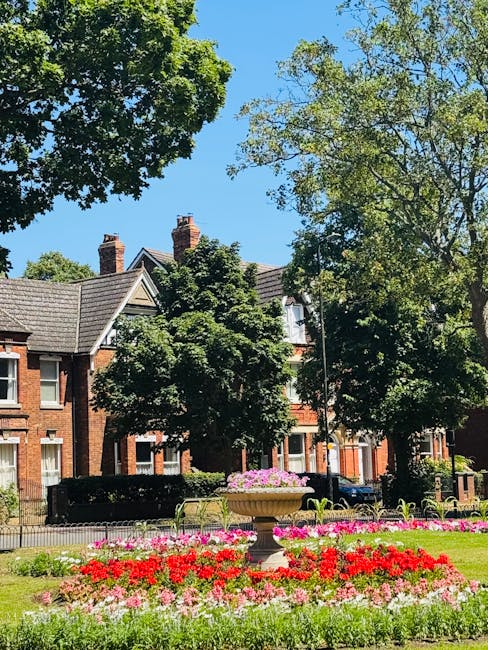
Wanstead High Street Garden Maintenance Guide for Owners
If you own a garden near Wanstead High Street, you already know it can be a real asset: a front space that lifts kerb appeal, a back garden that softens city living, or a small courtyard that gives you somewhere calm to breathe. The catch? London gardens do not look after themselves. Between shade from mature trees, narrow access, weather swings, pavement edges, and the general wear of everyday use, the work adds up quickly. This Wanstead High Street garden maintenance guide for owners is designed to help you keep things tidy, healthy, and manageable without turning every weekend into a full-scale outdoor battle.
Whether you manage a compact townhouse plot, a shared boundary, or a larger family garden, the goal is the same: know what needs attention, when it needs doing, and when a professional touch is worth it. Let's make it practical.
Table of Contents
- Why Wanstead High Street garden maintenance guide for owners Matters
- How Wanstead High Street garden maintenance guide for owners Works
- Key Benefits and Practical Advantages
- Who This Is For and When It Makes Sense
- Step-by-Step Guidance
- Expert Tips for Better Results
- Common Mistakes to Avoid
- Tools, Resources and Recommendations
- Law, Compliance, Standards, or Best Practice
- Options, Methods, or Comparison Table
- Case Study or Real-World Example
- Practical Checklist
- Conclusion
- Frequently Asked Questions
Why Wanstead High Street garden maintenance guide for owners Matters
A well-kept garden is not just about appearances, though that matters too. For owners on or near Wanstead High Street, regular maintenance supports plant health, reduces safety risks, and protects the value of the space you have. A neglected border can quickly spill over into paths, obscure sightlines, or become a magnet for weeds and pests. Once that happens, the job becomes bigger, messier, and more expensive to sort out.
There is also the local context. Wanstead has a mix of older homes, family properties, and greener streetscapes than many parts of London. That is lovely, but it also means gardens often have established hedges, mature trees, awkward corners, and shade pockets where moss and damp settle in. A patchy lawn or overgrown hedge does not just look tired; it usually signals that the garden needs a more structured routine.
Owners who stay ahead of maintenance tend to spend less time firefighting. A quick tidy every fortnight often prevents a much larger job later. Truth be told, most garden problems are not dramatic when they begin. They are tiny. A few weeds, a hedge that is left one trim too long, leaves sitting on paving after rain. Then one day the whole place feels behind.
If you are weighing up whether to tackle everything yourself or get support, you may also find it useful to look at local garden maintenance services in Wanstead and compare that with the tasks you are happy to manage in-house.
How Wanstead High Street garden maintenance guide for owners Works
Garden maintenance works best when it is treated as a cycle, not a rescue operation. Think of it in layers: routine care, seasonal work, and occasional specialist tasks. Routine care keeps the place presentable. Seasonal care prepares the garden for weather changes. Specialist work handles issues such as tree work, heavy hedge reduction, fence repairs, or patio cleaning.
For most owners, the process starts with a simple audit. Walk the garden slowly and look at four things:
- Health: Are the plants growing well, or do some look stressed, leggy, or diseased?
- Structure: Are hedges, fences, paths, and beds still defining the space clearly?
- Safety: Are there trip hazards, slippery surfaces, low branches, or hidden debris?
- Presentation: Does the garden feel cared for, or is it drifting into disorder?
Once you know what needs doing, break the work into jobs you can repeat. Lawn mowing, edging, weeding, hedge trimming, pruning, feeding, sweeping, and watering are the core tasks. Bigger items like landscaping changes, decking repairs, or tree surgery are best handled separately so they do not interrupt the regular schedule.
A lot of people make the mistake of treating every job as equally urgent. They are not. A lawn that is a little long can wait a few days. A damaged branch or a blocked drain around a patio should not. That sort of judgment call matters more than people think. If you want a broader support structure for ongoing upkeep, have a look at general gardening services that can cover the regular bits while you focus on the rest of life.
Key Benefits and Practical Advantages
Good garden maintenance gives you more than a neat border and a fresh-looking lawn. It changes how the whole property feels and functions.
- Better kerb appeal: Clean edges, healthy plants, and tidy hedges make an immediate difference from the street.
- Healthier growth: Plants respond well to correct pruning, feeding, and weed control.
- Less long-term work: Small jobs done regularly are easier than heavy clearance later.
- Safer outdoor spaces: Fewer slips, fewer trip hazards, and less risk from branches or unstable structures.
- More usable space: A maintained garden is one you can actually enjoy, not just look at through the window.
There is a quieter benefit too. An orderly garden tends to feel calmer. Not sterile, not over-designed, just easier to live with. In the morning, with a cup of tea and the faint smell of cut grass, you notice it straight away. It feels like a place with shape again.
For owners interested in improving both function and style, a well-planned garden can be layered over time. That is where landscaping support in Wanstead E11 can help create a more resilient layout while maintenance keeps it looking the part.
Who This Is For and When It Makes Sense
This guide is useful for a wide range of owners, not just people with large gardens. In fact, smaller plots often need sharper maintenance because there is nowhere for clutter or weeds to hide.
- Homeowners: If your garden is part of the home's value and day-to-day comfort, maintenance should be regular rather than reactive.
- Landlords: A tidy garden helps with tenant satisfaction and reduces complaints about overgrowth or access.
- Busy families: If you want a safe space for children or pets, maintenance needs to stay ahead of rapid growth and muddy patches.
- Older property owners: Established gardens often contain mature hedges, trees, and hard surfaces that need careful, timely attention.
- Owners preparing to sell: A few weeks of solid upkeep can improve first impressions dramatically.
It makes sense to act when you see one or more of these signs: the lawn no longer looks even, hedges are losing shape, weeds are returning faster than you can remove them, or the patio feels slippery after rain. Sometimes the garden is not "bad" exactly. It just needs a reset. That is normal.
If your main issue is a tired lawn, the most direct route may be lawn care in Wanstead E11 rather than a broad, general tidy. Matching the job to the problem saves time, and honestly a bit of money too.
Step-by-Step Guidance
Below is a sensible maintenance rhythm for owners who want reliable results without overcomplicating things.
1. Start with a full walk-through
Walk the garden with a notepad or your phone. Look at beds, grass, edges, paths, fences, sheds, pots, drainage points, and anything climbing. You are not judging beauty here. You are collecting tasks. That shift in mindset helps a lot.
2. Clear obvious debris first
Remove fallen leaves, broken branches, old plant ties, dead annuals, and anything blocking access. This gives you a clean surface to work from. If you have wet paving or decking, treat it with care; it can be far slippier than it looks.
3. Cut back what is blocking light or access
Trim hedges, tidy border edges, and reduce any growth that is crowding paths or windows. If growth is too high or too dense, a specialist hedge cut may be the smarter option. It is better to do one proper cut than three rushed ones. For dense screening or boundary shrubs, you may also want to see hedge trimming in Wanstead.
4. Deal with weeds properly
Weeds are easiest to manage when they are small and before they seed. Remove them from borders, paving cracks, and gravel areas. For recurring weeds, focus on prevention as much as removal: mulch, ground cover, and routine attention all help.
5. Mow and edge the lawn
If your lawn is part of the garden, mowing is only half the job. Edging makes the difference between a garden that looks cut and one that looks cared for. If you are unsure about timing, shorter, regular cuts are usually better than letting grass surge and then scalping it back. That never ends well, to be fair.
6. Check plant health and soil condition
Look for yellowing leaves, black spots, pests, compacted soil, and pots that dry out too fast. These are all clues. A plant does not usually fail in silence; it sends signals first. You just need to notice them early.
7. Tidy structures and hard surfaces
Inspect fences, decking, patios, and garden furniture. Loose panels, algae, or unstable boards are not just cosmetic issues. If a surface is stained or slippery, it may be time for a proper clean. For that side of upkeep, patio cleaning in Wanstead E11 can make a garden feel suddenly brighter and safer.
8. Finish with a reset
Stand back and look at the whole space again. The aim is not perfection. It is balance. A garden can be lively, a little wild even, and still feel maintained. That distinction matters.
Expert Tips for Better Results
Here is where owners often get the most value. Small changes in timing and technique can make maintenance far more effective.
- Work from the outside in: Edges, fences, and paths frame the garden. Tidy those first and the whole space looks better fast.
- Use mulch where borders struggle: It helps suppress weeds, hold moisture, and keep beds looking finished.
- Do little and often: Ten minutes of regular care beats a chaotic whole-day sprint every few months.
- Trim hedges before they become structural problems: Overgrown hedges can block light, narrow access, and make the garden feel smaller.
- Choose plants that suit the site: Shade, wind, and soil type matter more than glossy labels or pretty promises.
- Leave room for seasonal change: A garden should not look frozen in one moment of the year. It should move with the weather.
If you have a boundary hedge, try to think beyond "trim when it looks messy." The best trimming is often preventive. That is especially true on busy streets where a bit of extra width can suddenly make access awkward. If you want ideas for shape and structure, the article on innovative hedge trimming ideas is a useful companion read.
One more thing: do not overwater just because the weather turns warm for a day. London gardens can dry out quickly in sun, yes, but overwatering also weakens roots. Plants, rather annoyingly, can be both thirsty and sensitive at the same time.
Common Mistakes to Avoid
Most garden maintenance problems come from timing, not effort. People work hard, just at the wrong moment or in the wrong order.
- Leaving hedges too long between cuts: This makes shaping harder and can create bare patches after a heavy trim.
- Ignoring lawn health until it looks rough: By then, compaction, moss, and weeds may already have taken hold.
- Using the wrong tool for the job: A blunt pair of shears or a tired mower makes everything harder.
- Cutting back too much in one go: Some shrubs recover poorly from hard pruning if the timing is wrong.
- Forgetting hard surfaces: A patio covered in algae or a deck with debris can drag the whole garden down visually.
- Assuming all plants want the same care: Herbs, climbers, shrubs, and container plants all behave differently.
There is also the classic mistake of chasing a perfect result with no plan. You end up trimming one thing, then another, then another, and half the day disappears. Been there. It is never quite as efficient as it seemed at 9 a.m.
If ivy is creeping where it should not, deal with it sooner rather than later. A simple inspection and removal routine is much easier than trying to reclaim a wall or fence months down the line. For more practical detail, see tips for preventing future ivy growth.
Tools, Resources and Recommendations
You do not need a shed full of expensive kit to maintain a garden properly. A sensible set of tools, kept clean and sharp, will cover most jobs.
| Task | Useful Tool or Resource | Why It Helps |
|---|---|---|
| General tidying | Rake, gloves, pruning shears, garden bags | Speeds up clearing and keeps the space safe to work in |
| Lawn care | Mower, edging tool, lawn feed, aeration fork | Maintains density, shape, and colour |
| Hedge work | Manual shears or hedge trimmer | Helps keep lines even and prevents overgrowth |
| Patios and paths | Stiff brush, suitable cleaner, pressure washer where appropriate | Removes algae and surface grime more effectively |
| Planting improvements | Compost, mulch, pots, trellis, quality soil improver | Supports stronger growth and better long-term structure |
For many owners, the real resource is not a tool but a plan. A monthly routine written down somewhere beats a vague intention every time. If your garden needs a smaller, low-effort layout, this guide on simple, low-maintenance garden design may help you reduce future upkeep without losing character.
If you are buying tools, choose comfort as well as sharpness. A tool that hurts your hands will not get used. Surprisingly common, that one.
Law, Compliance, Standards, or Best Practice
For garden owners, the most relevant part of compliance is usually not complicated paperwork. It is simple, sensible best practice: keep your boundary work safe, avoid causing a nuisance, and be careful with anything that could affect neighbours, shared access, or public footpaths.
In practical terms, that means thinking before you cut. Check whether branches overhang shared spaces. Be mindful of hedge work near front boundaries. Do not let waste block pavements or routes. If you are unsure about tree work, large reductions, or anything near power lines or awkward access, a qualified professional is the safer call.
Good practice also matters when using tools. Wear protection, keep children and pets away from the work area, and only use equipment you understand. A quiet Saturday can turn irritatingly dramatic if a ladder or blade is used carelessly. Not worth it.
For owners with larger trees or visible structural concerns, tree surgery in Wanstead E11 is the type of specialist support that helps you handle risk properly rather than guessing. If your outdoor features need repair or upgrading, services such as decking services and fencing work are also worth considering when wear starts affecting safety or privacy.
Options, Methods, or Comparison Table
Owners usually choose between doing the work themselves, using a one-off service, or arranging ongoing maintenance. There is no single right answer. It depends on time, garden size, and how much attention the space needs.
| Approach | Best For | Pros | Trade-Offs |
|---|---|---|---|
| DIY upkeep | Small to medium gardens with simple planting | Lower cost, flexible timing, hands-on control | Needs time, tools, and consistent effort |
| One-off clearance or tidy | Overgrown gardens or pre-sale refreshes | Fast turnaround, visible improvement | Does not prevent future build-up unless followed by routine care |
| Regular maintenance visits | Busy owners, landlords, larger plots | Predictable upkeep, better long-term condition | Ongoing commitment |
| Project-led landscaping | Gardens that need reshaping or redesign | Improves layout and can reduce future maintenance | Usually a bigger upfront investment of time and budget |
For a lot of Wanstead owners, the sweet spot is a mixed approach: handle light jobs yourself, then bring in help for the heavier or more technical tasks. That may sound obvious, but it is often the most realistic option. If you are still deciding what needs work first, lawn mowing support can tackle the most visible part of the garden quickly, while broader care follows after.
Case Study or Real-World Example
Here is a straightforward example from the sort of garden owners on Wanstead High Street often deal with.
A front-and-rear garden had become tired over one wet winter. The lawn was uneven and patchy, the hedge had grown wider than expected, and the patio had developed a film of algae that made it feel dim even on bright days. Nothing was catastrophic. It just looked overlooked.
The owner started with a full tidy: debris cleared, border weeds removed, hedge height reduced a little, and the lawn brought back to a workable length. After that came a more careful second pass: feeding the lawn, cutting back a few shaded shrubs, and cleaning the patio. The biggest change was not any one job. It was the order.
By the end, the garden felt open again. Light reached the back edge properly, the paving looked safer, and the space invited use instead of avoidance. That is usually the real goal. Not perfection. Usability.
In cases like this, a small amount of planning can do more than a long day of random effort. If you want a design element to support the upkeep, consider planting choices that naturally reduce bare soil and suppress weeds. This article on ground cover plants for UK gardens is a practical place to start, and climbers can help soften fences or shaded areas too.
Practical Checklist
Use this checklist as a quick monthly or seasonal reference. It is simple on purpose.
- Check lawn length, colour, and patchiness
- Trim hedges before they block paths or windows
- Remove weeds from beds, cracks, and gravel
- Clear leaves and fallen twigs
- Inspect fences, gates, decking, and paving for damage or movement
- Look for pests, disease, or stressed plants
- Water containers and young plants as needed
- Feed or mulch where the soil looks tired
- Clean hard surfaces if they are slippery or stained
- Review what needs specialist help rather than DIY
Expert summary: The best-maintained gardens are rarely the ones with the most time spent on them. They are the ones with the most consistent habits, a clear order of work, and a realistic sense of what can wait.
If you are looking for easy improvements that also make the garden more pleasant to live in, a simple seating corner can be a smart addition. A place to sit changes how often you use the space, and it quietly encourages you to notice what needs attention. For inspiration, have a look at designing great seating in your garden.
Conclusion
For owners, garden maintenance on or around Wanstead High Street is less about chasing a flawless finish and more about keeping the space healthy, usable, and pleasant through the year. A little structure goes a long way. If you remember only one thing, let it be this: the fastest way to protect a garden is to stop small issues becoming big ones.
Start with the basics, keep a realistic rhythm, and call in specialist help when a job is bigger than a quick tidy. That is how gardens stay comfortable rather than constantly catching up.
Get a free quote today and see how much you can save.
If you are ready to keep your outdoor space in better shape, a tailored maintenance plan can make life much easier, especially when time is short and the weather is doing its usual London thing.
Frequently Asked Questions
How often should owners maintain a garden near Wanstead High Street?
Most gardens benefit from light attention every one to two weeks in the growing season, with a fuller review at least once a month. In autumn and winter, the frequency may drop, but leaves, drainage, and storm damage still need watching.
What is included in basic garden maintenance?
Basic maintenance usually covers mowing, edging, weeding, hedge trimming, pruning, sweeping, deadheading, and general tidy-up work. Depending on the garden, it may also include light planting, feeding, and checks on hard surfaces or structures.
Can I manage most garden upkeep myself?
Yes, if the garden is modest and you have time to stay consistent. DIY works well for regular jobs. The moment you need heavy hedge reduction, tree work, or a major reset, it is usually smarter to bring in help.
When should hedges be trimmed?
That depends on the hedge type and how fast it grows, but many hedges are best trimmed during active growth periods with light, regular shaping. If a hedge is becoming too wide or tall, do not leave it until it becomes hard to manage.
Why does my lawn keep looking patchy?
Patchiness is often linked to poor drainage, shade, compaction, wear, or inconsistent mowing. Sometimes the issue is a mix of all four. A proper lawn care plan usually works better than repeated random fixes.
Is patio cleaning really necessary?
Usually, yes. Dirt, algae, and moss do not just make paving look dull; they can also make surfaces slippery. Regular cleaning improves both appearance and safety.
What are the biggest maintenance problems for older gardens?
Older gardens often have mature hedges, trees, shaded borders, compacted soil, and hard surfaces that collect moss or algae. They are lovely, but they do need a more thoughtful routine than newer plots.
How do I keep maintenance costs under control?
The best approach is prevention. Small, regular tasks cost less than major clearances. Also, grouping jobs together helps. For example, if a hedge cut, lawn tidy, and border weed removal are due around the same time, doing them together is often more efficient.
Do I need professional help for trees?
If a tree is large, damaged, close to a structure, or showing signs of instability, yes, professional help is the safer route. Tree work is one of those jobs that looks simpler from a distance than it really is.
What is the best way to keep a garden low maintenance?
Use plants suited to the site, reduce unnecessary lawn area, add mulch, choose strong structural planting, and keep edges clear. A low-maintenance garden is designed that way from the start; it is not just a neglected one with a nicer name.
Should I start with landscaping or maintenance?
If the layout is poor, a bit of landscaping can make maintenance much easier later. But if the garden is simply messy, start with maintenance first so you can see what actually needs changing. Sometimes a tidy-up reveals the real problem pretty quickly.
How do I know when to call in help?
If the work is time-consuming, unsafe, too technical, or likely to keep coming back, that is a good sign. Ongoing maintenance support can save a lot of stress, especially for busy owners or properties with more demanding gardens.