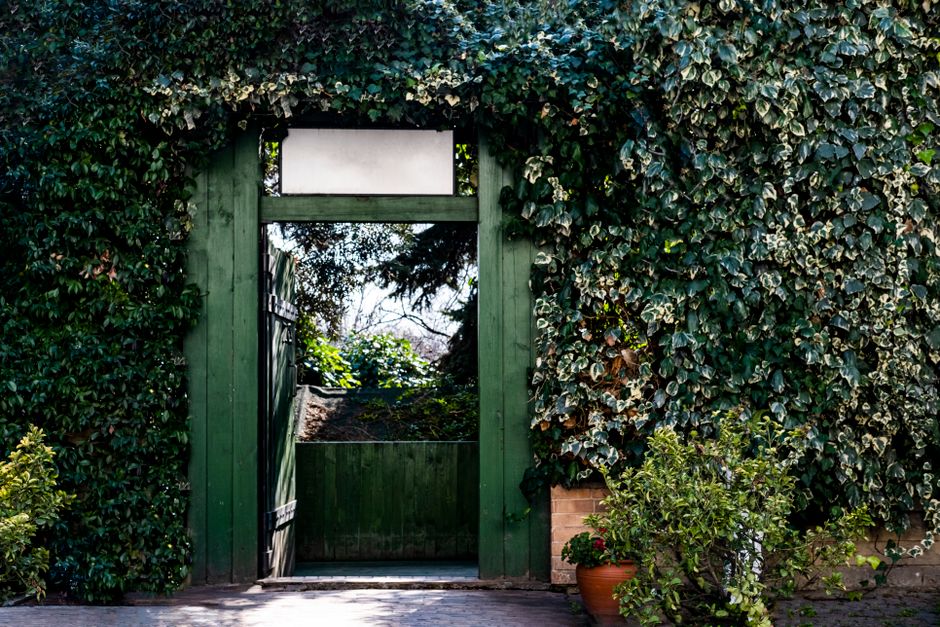
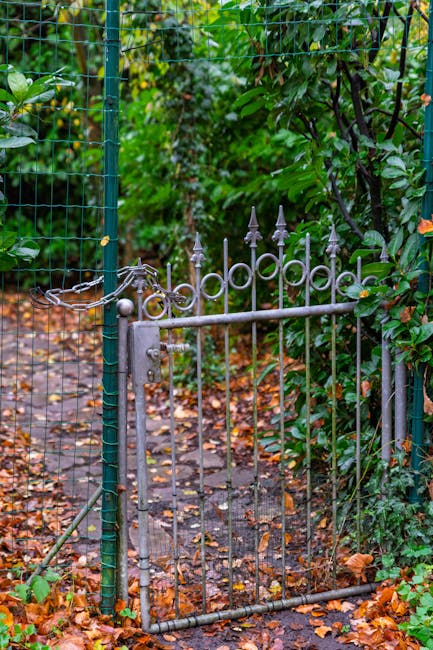
What to know about access issues when hiring Wanstead gardeners
If you are planning garden work and wondering how access might affect the job, you are not alone. In Wanstead, plenty of homes have side passages, narrow front gates, shared drives, steps, basement-style entries, or gardens tucked behind long terraces. That is exactly why What to know about access issues when hiring Wanstead gardeners matters before anyone turns up with tools, a mower, or a wheelbarrow.
Good access planning saves time, protects your property, and helps the gardener quote accurately. Bad access planning can mean delays, extra labour, awkward lifting, or in the worst cases, a job that is simply not safe to complete as expected. The good news? Most access problems are manageable once they are identified early. This guide walks you through what to check, what to ask, and how to avoid the little traps that cause bigger headaches later. To be fair, it is often the simple things that make the biggest difference.
Table of Contents
- Why access issues matter
- How access is assessed and managed
- Key benefits of planning access well
- Who this is for and when it makes sense
- Step-by-step guidance
- Expert tips for smoother visits
- Common mistakes to avoid
- Tools, resources and recommendations
- Law, compliance and best practice
- Options and comparison table
- Case study or real-world example
- Practical checklist
- Conclusion
- Frequently asked questions
Why access issues matter
Access affects almost every part of a gardening visit. Can the team reach the back garden without dragging equipment through the house? Is there room to unload soil, waste bags, or timber? Is the path wide enough for a mower, or will everything need to be carried by hand? These questions sound small, but they shape the whole day.
When access is tight, tasks often take longer. A hedge trim that should be straightforward can become a careful carry-and-return exercise if the only route is through a narrow side passage. Similarly, garden clearance can become more labour-intensive if waste has to be moved in stages to a skip or vehicle. The result is not necessarily a problem, but it does need accounting for.
Access matters for safety too. Wet paving, uneven steps, low brick walls, fragile planting borders, and awkward gates all increase the chance of slips, bumps, and accidental damage. Professional teams usually want to know this in advance, because no one enjoys improvising while balancing a strimmer in one hand and a bag of green waste in the other. Slightly ridiculous scene, that one.
It also matters for pricing and scheduling. If access is tight, you may need more time or a larger team. That does not mean the job becomes impossible; it just means the quote should reflect the real conditions rather than a best-case guess.
How access is assessed and managed
In practice, access planning usually starts with a conversation. A good gardener will ask how they get into the property, where they can park, whether there is a side gate, and what the terrain is like once inside. If the work is more involved, they may ask for photos or arrange a brief visit before giving a final price.
Common access questions include:
- Can a van park close to the entrance?
- Is there a private drive, permit-only parking, or a busy road outside?
- How wide are the gates and side paths?
- Are there steps, steep slopes, muddy areas, or gravel that slows movement?
- Is there a clear route for removing waste?
- Will the gardener need to move through the house, or is there a garden-only route?
Once those points are clear, the work can be planned properly. For example, a lawn-care visit might need just a mower, a trimmer, and a quick disposal route. A larger project such as landscaping or garden clearance may need bags, heavier kit, or extra protection for paved areas. The point is not to overcomplicate things. It is simply to match the approach to the actual site.
If the access route is particularly restricted, the gardener may suggest splitting the job into stages, using compact tools, or adjusting the order of tasks so the least disruptive work happens first. That sort of small operational thinking saves a lot of bother. If you want a sense of the broader services that can be adapted this way, it can help to review the company's gardening services and related options such as garden maintenance or garden clearance.
Key benefits and practical advantages
Planning for access issues is not just about avoiding problems. It brings some very real advantages.
- More accurate quotes: the gardener can price for the real amount of labour and time.
- Less disruption: routes, parking, and loading can be agreed before work starts.
- Better safety: fewer rushed movements through tight spaces and fewer avoidable hazards.
- Lower risk of damage: careful access planning protects gates, paving, walls, and planted areas.
- Faster completion: the team can arrive prepared with the right equipment and approach.
There is also a trust benefit. When a customer is upfront about a narrow side path or an awkward parking situation, the whole job usually feels calmer. Nobody likes surprises on arrival, especially not the kind involving a blocked driveway and a wheelbarrow that does not fit through the gate.
Another practical advantage is that access planning helps you decide which services are realistic in one visit and which are better split up. For example, if your access is tight but you need both hedge trimming and green waste removal, you may be better off combining those tasks with a more general maintenance visit rather than trying to force a bigger project into a cramped schedule.
That is where browsing service pages such as hedge trimming, lawn care, or patio cleaning can help you think through what kind of access each job genuinely needs.
Who this is for and when it makes sense
This topic is relevant to almost anyone hiring a gardener in Wanstead, but it is especially useful if your property has one or more of the following:
- a narrow or shared side access
- a back garden only reachable through the house
- steps, split levels, or a sloped path
- limited on-street parking nearby
- gates that are awkward to open or too narrow for equipment
- delicate surfaces such as old paving, decking, or gravel
- large amounts of waste needing safe removal
It also matters if you are booking a seasonal tidy-up after a busy growth period. In late spring or early autumn, gardens can get thick, slightly wild, and harder to move through. That is when access suddenly feels tighter than it did a month before. A path that seemed fine in April can feel like a hedge tunnel by June.
Homeowners, landlords, letting agents, and older residents often need this guidance for slightly different reasons. A landlord may want to avoid disruption to tenants. An older homeowner may want extra care with uneven ground or heavy lifting. A letting agent may need a reliable schedule and clear handover notes. The underlying issue is the same: if access is not thought through, the job becomes more complicated than it should be.
If you are comparing providers, it can help to learn a little about the team behind the service through the about us page and the company's approach to insurance and safety. That gives useful reassurance before you discuss the practical details.
Step-by-step guidance
Here is a simple way to handle access planning without turning it into a project of its own.
- Walk the route. Start from the street or parking point and follow the exact route the gardener would use. Notice gate widths, bends, steps, and anything that could snag equipment.
- Check for restrictions. Parking permits, locked gates, shared entrances, resident-only bays, or restricted hours can all affect arrival and unloading.
- Measure the tight spots. You do not need a surveyor's kit. A rough width check is often enough to flag whether a mower, wheelbarrow, or ladder will fit.
- Photograph the route. A few clear photos of the gate, access path, and work area can be incredibly helpful. One or two pictures often explain more than a long email.
- Describe the surfaces. Mention whether the ground is gravel, mud-prone, slippery when wet, or bordered by fragile edging.
- Explain the job size. Be clear whether you need a light tidy, routine maintenance, a clearance, or more involved landscaping.
- Ask how the team prefers to work. Some jobs are easier with a short on-site discussion before work begins. Others can be planned perfectly from photos and measurements.
- Confirm waste handling. If materials need removing, ask where bags, branches, soil, or clippings will be carried and whether the route is practical.
- Check final expectations. Make sure both sides agree on what is included, what might cost extra, and what access limitations are already built into the quote.
That sounds like a lot written out, but in reality it may take ten minutes. Maybe fifteen if you are hunting for a tape measure in the shed, which, let's face it, is often a small adventure in itself.
Expert tips for better results
In our experience, the best access conversations are specific, not vague. "The back gate is a bit narrow" is helpful. "The back gate is about 80 cm wide, opens inward, and there are two steps down to the lawn" is better. You do not need to be exact to the millimetre, but useful detail saves back-and-forth later.
Another tip: tell the gardener about the worst part of the access, not just the best. People often mention the lovely wide front drive and forget the awkward locked alley gate round the back. The job then starts with a surprise. Not ideal.
It also helps to think in terms of routes rather than just doors or gates. Can equipment come in one way and waste go out another? Is there an easier exit path after the work is done? Even a small change in route can make a major difference to labour.
If your garden includes harder features such as paving, fencing, timber structures, or raised areas, say so. Services like fencing, decking services, landscaping, and landscape gardening often involve heavier materials, so access becomes even more important.
Finally, build in a little buffer on the day. If parking is tight or access takes longer than expected, no one wants to feel rushed. A calm start usually leads to a better finish.
Common mistakes to avoid
Some access problems are almost entirely preventable. The most common mistakes are surprisingly ordinary.
- Assuming the gardener will "just manage". Maybe they can. Maybe they can't. Either way, it is better to discuss it first.
- Forgetting parking details. A job can lose half an hour before it begins if unloading is awkward or parking is far away.
- Ignoring waste movement. A light trim is one thing; moving piles of cuttings through a narrow route is another.
- Leaving gates locked or keys unavailable. It sounds obvious, but it happens more than people admit.
- Not mentioning fragile surfaces. Newly laid gravel, soft turf, or old stepping stones may need a gentler approach.
- Booking a bigger job without checking scale. A quick mowing visit and a full tree-related task are not remotely the same in access terms.
There is one more, slightly sneaky mistake: underdescribing the garden because you do not want the quote to be higher. That usually backfires. A good quote based on honest access is better than a cheaper one that cannot realistically be delivered.
If your garden involves substantial cut-back work or more serious overgrowth, it is worth reviewing options like hedge trimming, tree surgery, or tree lopping and removal so you can judge how access may affect labour, safety, and disposal.
Tools, resources and recommendations
You do not need specialist equipment to prepare for a gardener visit, but a few simple tools help enormously:
- Measuring tape: useful for checking gate width, path width, and step spacing.
- Phone camera: take a few honest photos from the street, gate, and work area.
- Notebook or notes app: jot down parking details, gate codes, and anything unusual.
- Bin bags or waste area: if you are clearing small items before the visit, keep them out of the way so access stays open.
- Good lighting: if the visit starts early or finishes late, make sure the route is visible.
On the planning side, it helps to use service information wisely. If you are mainly after routine upkeep, a page like garden maintenance will usually point you toward the sort of access and visit style needed for regular work. If you are dealing with a one-off overflow of branches, leaves, or clutter, garden clearance is more relevant. Tiny distinction, but a useful one.
For peace of mind, it is also sensible to read the company's health and safety policy and terms and conditions. Those pages are not glamorous, granted, but they often tell you how the business expects work to be arranged, what happens if access changes, and how responsibilities are shared. Boring on the surface, useful underneath.
Expert summary: the best access setup is usually the simplest one that gives the team a clear route, safe footing, and enough information to work without guesswork. If you remove uncertainty before the visit, everything tends to feel easier on the day.
Law, compliance, standards, or best practice
Access planning for garden work is not usually about legal drama. It is more about common-sense compliance, safety, and clear communication. In the UK, the practical expectation is that work should be carried out safely, with reasonable care for people and property, and with proper attention to risk. That is especially true where tools, lifting, heights, slippery surfaces, or traffic-like parking conditions are involved.
For residents, the important part is to provide accurate information about access and any hazards you already know about. For contractors, the important part is to assess the site properly and not press ahead if conditions are unsafe. Shared responsibility, really.
Best practice usually includes:
- clear pre-visit questions about gates, parking, and site condition
- honest disclosure of hazards such as broken paving or restricted entry
- agreement on waste movement and vehicle access
- reasonable adjustments for awkward routes or fragile areas
- documented insurance and safety awareness
If accessibility itself is a concern, you may also want to check the company's accessibility statement. That can be a reassuring sign that the business thinks carefully about how people and spaces are approached, even if the exact setup varies from property to property.
Options, methods, or comparison table
There is no single "right" way to handle access. The best method depends on the garden and the type of work. Here is a simple comparison that may help.
| Access method | Best for | Strengths | Trade-offs |
|---|---|---|---|
| Direct rear access | Most routine garden jobs | Fast, efficient, less carrying | Needs a usable gate or path |
| Side passage access | Many terrace and semi-detached homes | Usually practical for tools and waste | Can be narrow or obstructed |
| Through-the-house access | Properties with no external route | Can still allow the job to proceed | Requires care, protection, and agreement in advance |
| Front-to-back hand-carry | Small to medium jobs | Flexible when parking is nearby | Slower, more labour, higher handling effort |
| Split-visit approach | Bigger or awkward sites | Reduces pressure and keeps work manageable | May take longer overall |
A split-visit approach can be surprisingly effective. For example, a gardener might handle initial clearing first, then return for detailed maintenance once the access route is improved. That is not a compromise; sometimes it is the smart way to do things.
Case study or real-world example
Imagine a typical Wanstead terrace with a small front garden, a narrow side passage, and a back lawn bordered by old brick edging. The owner wants a tidy-up after a stretch of wet weather. The path looks usable, but only just, and the gate catches a little when opened.
If this is not discussed in advance, the team might arrive with a standard mower and several bags for waste, only to find the mower does not comfortably pass through the side route. Work still gets done, but it is slower, more awkward, and more physically demanding. Everyone feels it.
Now compare that with the same job after a brief access conversation. The owner sends two photos, notes the gate width, explains where the car can stop, and mentions that the passage has one tight bend. The gardener brings more compact tools, plans waste movement in smaller loads, and allows extra time for the route. The job is smoother, safer, and far less stressful.
That is the whole point, really. Small access details turn into practical decisions. Once those decisions are made early, the day tends to unfold much more nicely.
Practical checklist
Use this quick checklist before hiring Wanstead gardeners for any job where access might be tricky.
- Have I walked the full route from street to garden?
- Do I know where the gardener can park or unload?
- Have I measured gates, side passages, or any narrow points?
- Are steps, slopes, or slippery surfaces clearly mentioned?
- Have I explained whether access is through the house, side gate, or rear entrance?
- Do I know how waste or cuttings will be removed?
- Have I shared photos if the layout is unusual?
- Have I told the team about any fragile paving, decking, or boundary features?
- Are the right service pages reviewed so the job type matches the access conditions?
- Have I read the pricing, safety, and terms information before confirming?
If you can answer most of those with confidence, you are in a good place. If not, no panic. Just fill in the gaps before the booking is finalised. That small pause can save a lot of back-and-forth later.
Conclusion
Access issues do not need to become a big drama when hiring Wanstead gardeners. In most cases, they are just a practical part of planning the work properly. Once you think through gates, parking, paths, waste routes, and safety, the rest becomes much easier to manage.
The main thing is to be honest and specific. A gardener can work around a narrow passage, an awkward step, or a tight parking spot if they know about it in advance. What causes trouble is surprise, not difficulty. And there is a real difference between those two.
So, before booking, slow down for a moment. Check the route, take a couple of photos, ask a few plain-English questions, and make sure the service matches the site. That small bit of care tends to pay off in time saved, less stress, and a better result overall. Sometimes the tidy solution begins before the first tool comes out of the van.
Get a free quote today and see how much you can save.
Frequently Asked Questions
What access information should I give a gardener before the visit?
Share gate widths, parking restrictions, side passages, steps, surface conditions, and whether the garden can only be reached through the house. Photos help too.
Can gardeners work if my garden has very narrow access?
Often yes, but it depends on the job. Small maintenance tasks may be fine, while larger clearance or landscaping jobs may need a different plan or more time.
Will tight access make the quote more expensive?
It can, because awkward access may increase labour time or require extra handling. Honest information usually leads to a more accurate quote, which is better for everyone.
Should I mention parking problems even if the garden itself is easy to reach?
Yes. Parking affects unloading, tool transfer, and waste removal. A simple job can become slower if the van has to park far away.
Do gardeners usually need access through the house?
Only sometimes. If there is no external route, it may be necessary, but this should always be discussed first so flooring and indoor routes can be protected.
What if my gate is too small for a mower?
Tell the gardener before booking. They may bring smaller equipment, adjust the method, or suggest a split visit so the work can still go ahead.
How do I prepare my garden for easier access?
Move bins, toys, plant pots, and anything loose out of the route. Unlock gates, clear parking if possible, and make the path easy to follow.
Is access more important for garden clearance than regular maintenance?
Usually yes, because clearance often involves more waste, heavier lifting, and more movement back and forth. That said, even routine maintenance can be slowed down by poor access.
Should I send photos before I book?
Yes, if the layout is anything less than straightforward. A few honest photos can save a lot of misunderstanding and help the gardener prepare properly.
What should I ask about safety and insurance?
Ask whether the team is insured, how they handle slippery or uneven access, and whether they have a clear safety process for site conditions. It is a fair question.
Can access issues affect how long the job takes?
Absolutely. Even a simple mowing or hedge-trimming visit can take longer if equipment has to be carried by hand or routes are awkward.
What if I am not sure access will be suitable?
Describe the route as clearly as you can and ask the gardener to advise. If needed, they may suggest a site visit or a different service approach. Better to ask early than guess.